For many of us, starting or ending the day with a warm cup of tea feels like a comforting ritual. It’s calming, soothing, and often associated with wellness. But what if that innocent tea bag steeping in your mug isn’t as harmless as it looks? Recent research has revealed that tea bags—particularly those made with synthetic materials—may be releasing billions of microplastic and nanoplastic particles straight into your drink. And once inside your body, these tiny invaders may pose risks to your health and to the environment.
In this blog, we’ll break down where these plastics come from, why they matter, and what you can do to brew a safer, cleaner cup of tea.
The Plastic in Your Tea Bag
It may come as a surprise, but many commercial tea bags are not made entirely of paper. To give them structure and to heat-seal the bag, manufacturers often incorporate polypropylene, a form of plastic that’s durable, inexpensive, and water-resistant.
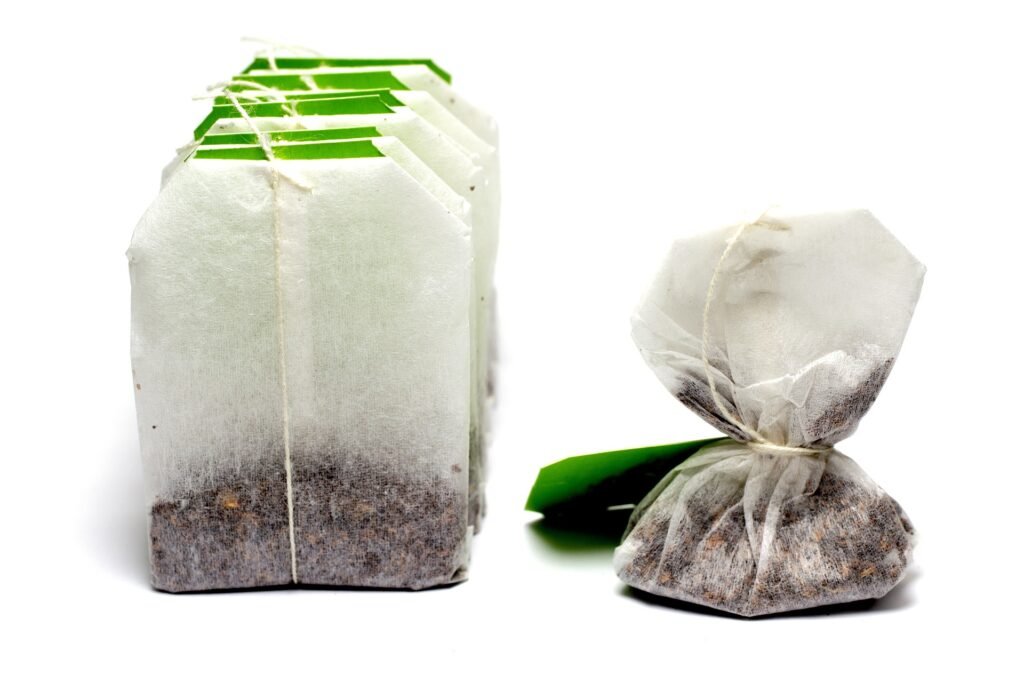
The problem? When hot water hits the bag during brewing, that plastic doesn’t just stay put. Under extreme temperatures, microplastics (tiny fragments less than 5mm) and nanoplastics (even smaller, microscopic particles) can break off and leach into your drink.This isn’t a fringe concern. A landmark study by researchers at Spain’s Autonomous University of Barcelona found that steeping a single tea bag could release billions of microscopic particles into the water. These particles aren’t visible to the naked eye, but their presence is measurable and concerning.
Why Microplastics Are a Problem
You might wonder: if these particles are so small, do they really matter? Unfortunately, yes.
- Inside the Body:
Microplastics have been found in human blood, lungs, and even the placenta. While research is still developing, early evidence suggests these particles can cause inflammation, disrupt hormones, and potentially interfere with organ function. Think of it this way: plastics were never meant to be part of the human diet, and their long-term effects are still being uncovered. - Cumulative Exposure:
A tea bag may release billions of particles, but it’s not your only source. Microplastics are also found in bottled water, seafood, salt, and even the air you breathe. Each cup of tea simply adds to the cumulative load your body has to process.
Environmental Impact:
Once microplastics leave our bodies, they don’t break down. They end up in sewage, waterways, and oceans—harming marine life and re-entering the food chain. That cup of tea isn’t just affecting you; it’s part of a larger cycle of pollution.
How Widespread Is This Problem?
Tea lovers around the world consume billions of cups every day, making this issue far from small-scale. In fact, the global tea bag market continues to grow because of its convenience. But this convenience comes with a hidden cost.Several studies across Europe, Asia, and North America have confirmed that microplastics are released during the brewing process. And while some brands are shifting toward biodegradable tea bags or plant-based alternatives, polypropylene remains common in many household names.
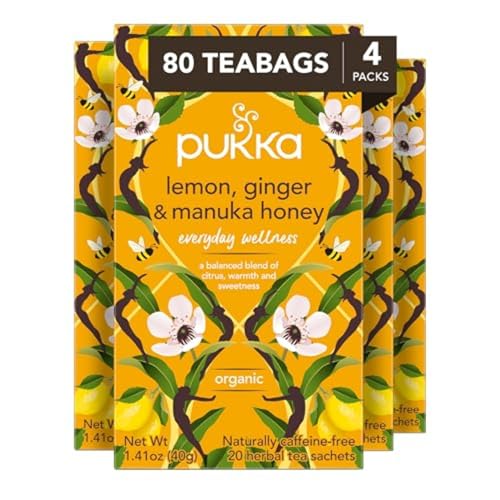
- PUKKA LEMON, GINGER & MANUKA HONEY: Indulge in the harmonious blend of zesty lemon and warming sensation of ginger with …
- WHAT YOU’LL GET: Pukka Organic Lemon, Ginger & Manuka Honey Herbal Tea, 20 tea bags per pack, 4 packs total
- ENJOY PUKKA TEA ANYTIME: This herbal tea is decaffeinated, so you can enjoy the cafe experience in the comfort of your o…
Spotting the Culprit: Do Your Tea Bags Contain Plastic?
Not all tea bags are created equal. Here are some practical tips to check:
If your tea bag feels slightly slippery or doesn’t tear like paper, chances are it contains plastic.
Healthier, Plastic-Free Alternatives
The good news? You don’t need to give up tea to avoid microplastics. Here are some safer ways to enjoy your brew:
- Loose-Leaf Tea
Switching to loose-leaf tea eliminates the need for a bag altogether. You can use a stainless steel infuser, a glass teapot with a built-in filter, or even reusable cotton tea bags. - Plastic-Free Tea Bags
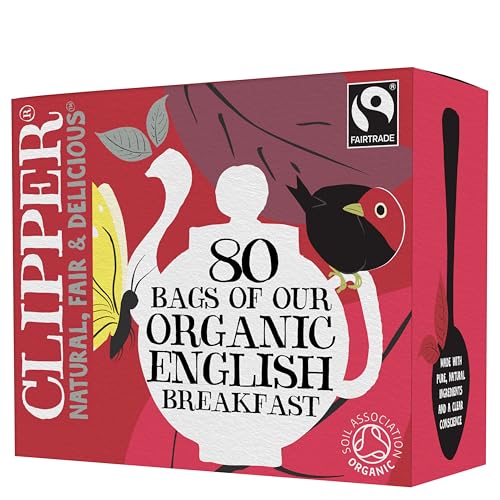
Some forward-thinking companies now produce tea bags made from cornstarch-based PLA (polylactic acid) or unbleached paper that do not contain polypropylene. Look for certifications such as “Soil Association Organic” or “Plastic-Free Trustmark.”
DIY Blends
If you enjoy experimenting, you can blend your own teas from dried herbs, fruits, and flowers. This not only cuts out microplastics but also gives you complete control over ingredients and flavor.
Why Consumer Choices Matter
The issue of microplastics in tea bags highlights a bigger picture: the hidden plastics woven into everyday products. Just as single-use plastics have flooded grocery stores, packaging, and household goods, they’ve also crept into items we rarely question—like tea bags.Every time consumers choose plastic-free alternatives, it sends a message to manufacturers. Demand drives change, and companies are already noticing the shift toward eco-conscious buyers. By making small swaps in your tea routine, you contribute to a larger movement aimed at zapping out plastics from our daily lives.
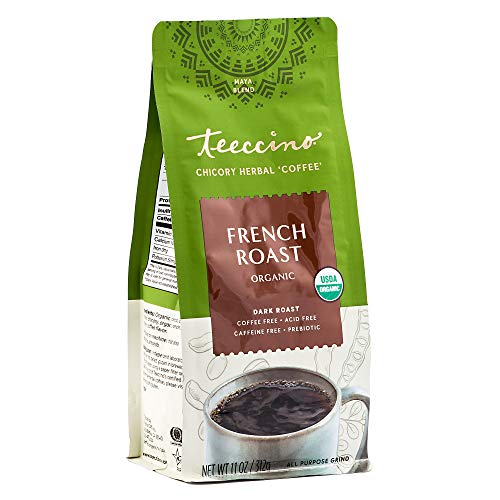
- HERBAL GROUND COFFEE – The rich taste of coffee with the health benefits of herbs. Enjoy bold, coffee-like flavor from r…
- BREW TEECCINO LIKE COFFEE – Our all-purpose grind brews in any kind of coffee maker. Perfect for a cappuccino or latte, …
- NATURALLY CAFFEINE FREE – Experience an energy boost from nutrients, not stimulants. Perfect any time of day or night be…
The Takeaway
Your daily tea ritual should nourish your body, not add to your plastic intake. While the thought of billions of microplastic particles in a single cup is alarming, awareness is the first step toward change. By choosing loose-leaf teas, supporting brands that prioritize plastic-free packaging, and spreading the word, you can enjoy your favorite brew without hidden toxins.
At the end of the day, it’s not about giving up tea—it’s about making informed, eco-conscious choices. The more we learn about microplastics, the clearer it becomes that our health and our planet depend on reducing them wherever possible.
So next time you steep a cup, ask yourself: What’s really brewing in my tea?
We participate in the Amazon Affiliate program, which comes at no cost to you.