1. Filter Your Drinking Water
Microplastics are found in both tap and bottled water. Many common filters only focus on taste or chlorine, missing the tiny plastic fragments.
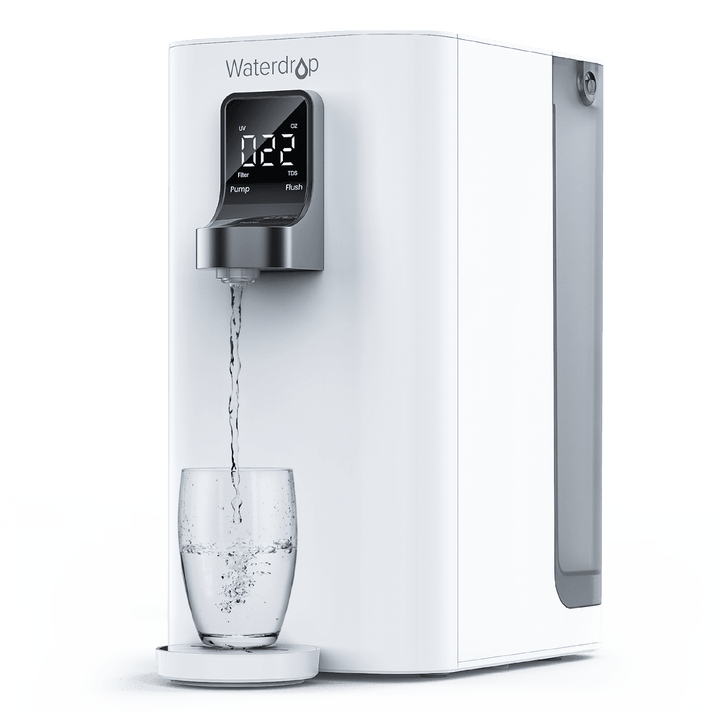
To reliably reduce microplastics in your drinking water, prioritize filters with a tight micron rating and third-party verification. Reverse Osmosis (RO) systems are the most reliable solution. You can find these systems in under-sink units, countertop models, or pitchers.
2. Ban Plastic Cutting Boards and Cooking Utensils
The kitchen is a significant source of microplastic contamination. Plastic cutting boards are a major culprit, as the surface can shed microplastics into your food with each slice. Cutting carrots on a plastic board, for instance, can generate microplastics equivalent to the weight of about ten plastic credit cards per year.
- Swap plastic cutting boards for durable alternatives such as wood, glass, or stainless steel.
- Replace plastic cooking utensils (spatulas, spoons, tongs) with stainless steel, wood, or high-quality silicone. Plastic utensils can release microplastics when exposed to high cooking temperatures.
3. Stop Heating Food or Drinks in Plastic
Heat is a major factor that accelerates the leaching of microplastics and other hazardous chemicals from plastic.
- Avoid microwaving plastic containers entirely, as heating plastic causes more microplastics and nanoplastics to get into food.
- Drink hot liquids and eat soup from glass or safe ceramics. Paper cups often lined with plastic can also release fragments when heated.
- Avoid putting hot food (like pasta) in plastic containers or using disposable plastic tableware, as the heat speeds up the leaching process.
4. Upgrade Your Food Storage Containers
When storing holiday leftovers and daily meals, avoid relying on takeout containers. Plastic wraps and zippered bags are a major source of microplastics.
- Switch to safer, non-plastic food storage containers such as glass, stainless steel, and ceramic.
- Glass containers are durable, dishwasher-safe, resistant to melting, and ideal for fridge or freezer storage.
- Stainless steel is a non-breakable, odor-resistant, and lightweight option that eliminates concerns about chemical leaching.
- Replace single-use plastic wrap with beeswax wraps (natural, reusable, compostable) and plastic zippered bags with reusable silicone storage bags.
5. Ditch Artificially Non-Stick Cookware
Many nonstick (Teflon) pans degrade over time, especially when overheated or scratched. A single scratched nonstick pan may release about 2,300,000 microplastics and nanoplastics.
- Opt for naturally nonstick cookware alternatives, such as stainless steel or cast iron pots and pans, which are sturdier and lack the Teflon coating.
6. Choose Natural Fibers for Clothing and Towels
Textiles contribute significantly to global microplastic pollution. Synthetic materials like polyester, nylon, rayon, and acrylic are plastic-based and shed microfibers when washed.
- When shopping for clothes, choose natural fibers like 100% cotton instead of synthetic fabrics like fleece and polyester.
- In the kitchen, replace microfiber towels (which are often synthetic fabrics like polyester and polyamide) with alternatives made from 100% cotton.
7. Optimize Your Laundry Routine to Reduce Shedding
Washing synthetic clothing is a major source of microfibers entering waterways. Simple adjustments to laundry habits can reduce shedding.
- Wash clothing less often—this is one of the most effective methods for reducing microfiber pollution.
- Use a front-loading washer if possible, as top-load machines tend to produce more microfibers.
- Wash laundry with cold water for a shorter period of time.
- Only wash full loads of laundry to reduce friction between clothes.
8. Trap Microplastics Before They Leave Your Washing Machine
Although most washing machines lack built-in filters, technology is available to trap microfibers before they enter the wastewater system.
- Install an external microfiber filter on your washing machine.
- Alternatively, use microfiber-catching devices like special wash bags and laundry balls designed to trap microfibers in the wash.
- Dispose of the captured microfibers in the trash.
9. Control Indoor Dust and Microplastics
Microplastics can shed off on to materials like carpets, pillows, and sofas, migrating into the air and settling on surfaces. This is especially concerning in homes with crawling babies.
- Regularly vacuum and dust to reduce microplastic exposure.
- Wet wipe surfaces frequently.
- Use a vacuum equipped with a HEPA filter.
10. Prioritize Plastic-Free Choices for Children
When selecting items for children, choosing non-toxic and plastic-free options creates a safer environment. Traditional plastic toys may contain harmful substances like BPA, which can negatively impact children’s development.
- Choose wooden toys (like building blocks and puzzles) crafted from sustainably sourced wood, free from harmful chemicals.
- Opt for items made from organic cotton (stuffed animals, dress-up dolls).
- Use bamboo fiber dinnerware instead of plastic for safe mealtimes.
- Use natural rubber teething toys to alleviate discomfort without harmful chemicals.
- Whenever possible, avoid containers with recycling numbers 3, 6, and 7.
Moving Forward
While eliminating microplastics entirely is impossible, focusing on these simple, high-impact swaps—especially concerning food, water, and clothing—can significantly reduce your family’s daily exposure. Experts advise replacing items as they wear out, prioritizing those that come into direct contact with food, and focusing on changes you can maintain over the long term.